₹199 Free · PCOS plan · 60 seconds
PCOS? Let’s make it make sense.
A quick swipe check, then a plan that fits your food, your routine and your space.
- Easy food swaps
- Home workouts
- Tests to ask for
- Questions for your doctor
Free for a limited time · Reviewed by an OB-GYN


What’s in your plan
A free online PCOS plan from Live Gracious for women aged 18 and over: answer a few questions and get easy Indian food swaps for where you eat, a week of home workouts with Zumba and strength moves, the tests to ask your doctor about and questions for your doctor. PCOS is now also called PMOS. Reviewed by an OB-GYN.
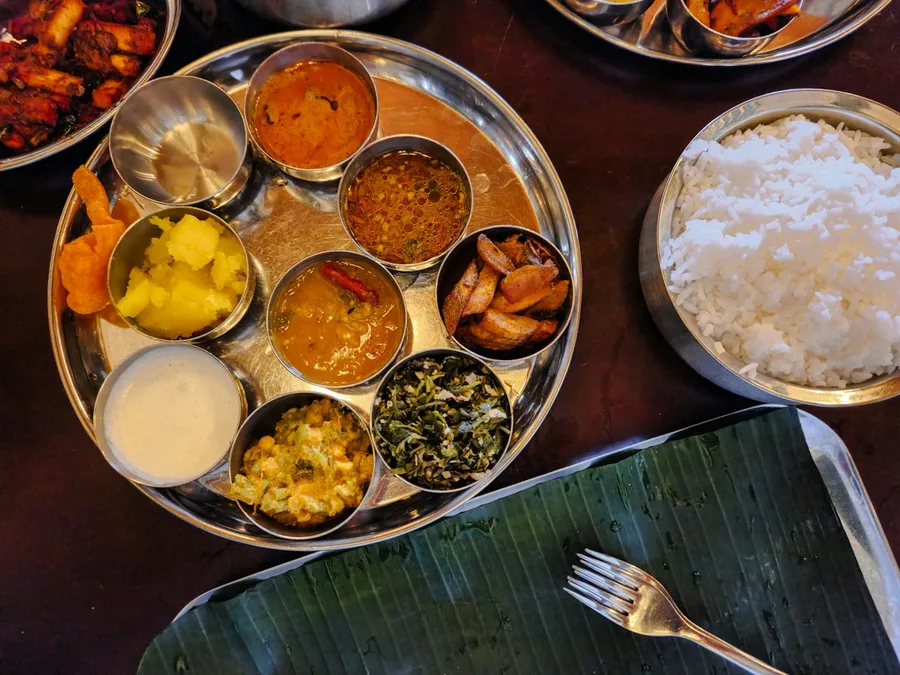
- Easy food swapsSwap this for that, for eating out, a tiffin or home food. Vegetarian, eggetarian, non-veg or vegan. Not a diet.
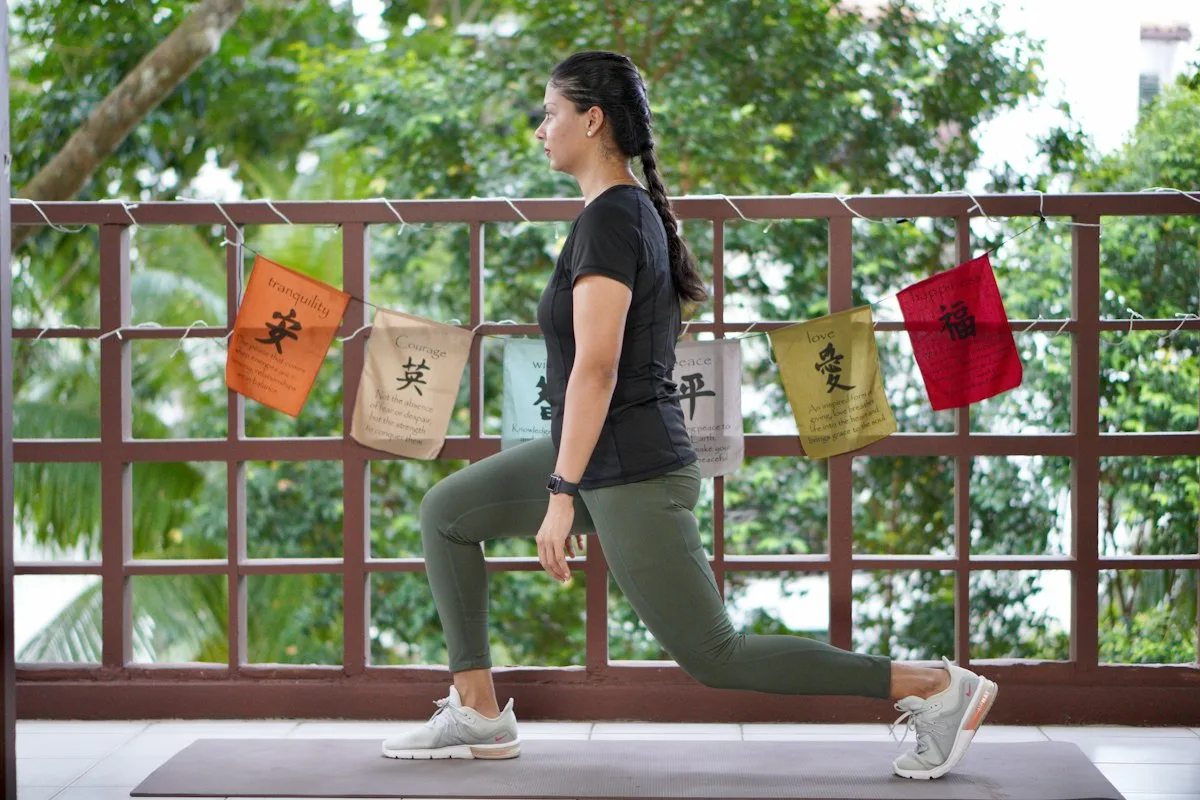
- A week of home workoutsWalks, Zumba and strength moves you can do at home, with illustrations. No gym needed.
- Tests to ask aboutThe blood tests doctors use to check for PCOS and what often comes with it.
- Questions for your doctorSo your first consultation starts where you are.

Reviewed by Dr. Shreshtha Gupta, MBBS, MS (Obstetrics & Gynaecology), Consultant Obstetrician & Gynaecologist. Based on the 2023 International PCOS Guideline (endorsed by ASRM and ESHRE) and WHO guidance. Meet the care team.
Questions women ask
What is the Free PCOS Plan?
It is a free online tool from Live Gracious. You answer a few questions about your periods, the signs you have noticed, where you eat and how active you are, and get a personal plan: easy Indian food swaps, a week of home workouts with Zumba and strength moves, the tests to ask your doctor about and questions for your doctor. It is reviewed by our OB-GYN, Dr. Shreshtha Gupta.
Is it really free?
Yes, for a limited time. The plan is usually ₹199, and right now it is free. Your plan is saved to your Live Gracious account, and each phone number gets one plan.
Are PCOS, PCOD and PMOS the same thing?
PCOD is a name used mostly in India; international guidelines use PCOS (polycystic ovary syndrome) for the same condition. In 2026 a global consensus published in The Lancet renamed it PMOS, polyendocrine metabolic ovarian syndrome, because it affects hormones and metabolism, not just the ovaries. You may hear all three names.
How do doctors diagnose PCOS?
The 2023 International PCOS Guideline uses two of three signs: irregular or missed periods, signs of high androgens such as acne, extra hair or a blood test, and polycystic ovaries on an ultrasound, once other causes such as thyroid problems are ruled out. Within about 8 years of your first period, an ultrasound is not recommended for diagnosis, so many young women are diagnosed from their periods and blood tests.
Is there a PCOS diet?
There is no single PCOS diet that works better than the rest, according to the International PCOS Guideline. What helps is regular meals with protein and fibre, fewer sugary drinks and refined snacks, and food you can keep eating. Crash diets and long fasts usually make cravings worse.
What exercise helps with PCOS?
The guideline suggests 150 to 300 minutes of moderate activity a week, such as brisk walking, cycling or dance, plus muscle-strengthening on 2 days that are not back to back. Strength moves such as squats, push-ups and glute bridges work at home. A 10-minute walk after meals also helps your body handle sugar.
Can I get pregnant if I have PCOS?
Yes, most women with PCOS can get pregnant, sometimes with a little help such as medicine to support ovulation. If you are planning a pregnancy, talk to a gynaecologist early so your plan starts on time.
Who is it for?
Women aged 18 and over, of any age, who have been diagnosed with PCOS or think they might have it. It gives general guidance and is not a diagnosis. If you have not had a period for 3 months or more, please see a gynaecologist. In an emergency, call 112.
Is my information private?
Your answers are saved to your Live Gracious account so you can come back to your plan, and are handled under our Privacy Policy. We never ask for more than we need to build your plan.
Sources
- Teede HJ, et al. Recommendations from the 2023 International Evidence-based Guideline for the Assessment and Management of Polycystic Ovary Syndrome. Endorsed by ASRM and ESHRE.
- Teede HJ, et al. Polyendocrine metabolic ovarian syndrome, the new name for polycystic ovary syndrome: a multistep global consensus process. Lancet. 2026.
- World Health Organization. Physical activity.
- World Health Organization. Polycystic ovary syndrome.
General guidance, not a diagnosis. If you haven’t had a period for 3 months or more, please see a gynaecologist. In an emergency, call 112.